The Importance of Ethical Education
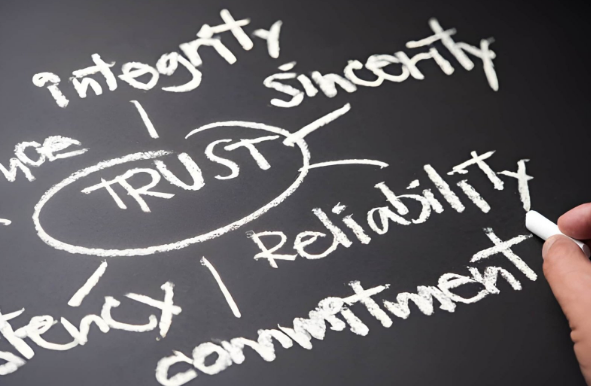
Ethical education is one of the most important foundations of a healthy, responsible, and successful society. While Nhà cái X88 academic knowledge helps students develop skills in science, language, technology, and business, ethical education teaches them how to use those skills wisely. It focuses on values such as honesty, respect, responsibility, fairness, empathy, and integrity. In a world shaped by rapid technological change, global communication, and complex social challenges, the importance of ethical education has never been greater.
What Is Ethical Education?
Ethical education is the process of teaching individuals to understand moral values and apply them in daily life. It helps students distinguish between right and wrong, make responsible decisions, and respect the rights and dignity of others. Ethical education can take place in schools, families, communities, workplaces, and religious or cultural institutions.
Unlike traditional subjects that may focus mainly on facts and theories, ethical education encourages reflection, discussion, and personal growth. It asks important questions: How should we treat others? What does it mean to be honest? Why is fairness important? How can we make choices that benefit both ourselves and society?
Why Ethical Education Matters
The importance of ethical education lies in its ability to shape character. A person may be highly intelligent or skilled, but without ethics, those abilities can be misused. Ethical education helps create individuals who are not only knowledgeable but also responsible and compassionate.
In schools, ethical education promotes positive behavior and reduces problems such as bullying, cheating, discrimination, and disrespect. In the workplace, it supports professionalism, accountability, and trust. In society, it encourages active citizenship, social harmony, and justice.
Ethical education also helps people deal with difficult situations. Life often presents choices where the right answer is not always simple. A strong ethical foundation allows individuals to think critically, consider consequences, and make decisions based on values rather than pressure or personal gain.
Building Character and Personal Responsibility
One of the main goals of ethical education is character development. Character includes qualities such as honesty, patience, courage, kindness, humility, and self-discipline. These qualities influence how people behave when no one is watching.
Personal responsibility is a key part of ethical development. Students who receive ethical education learn that their actions have consequences. They understand the importance of keeping promises, admitting mistakes, and treating others with respect. This sense of responsibility prepares them for adulthood and helps them become dependable members of society.
When young people learn ethical values early, they are more likely to develop strong moral habits. These habits can guide them throughout life, whether they are making decisions at school, at work, in relationships, or in public life.
Ethical Education in Schools
Schools play a major role in ethical education because students spend a large part of their early lives in educational environments. Teachers are not only responsible for academic instruction; they also serve as role models. Their behavior, fairness, and communication style can strongly influence students.
Ethical education in schools can be taught through specific lessons, classroom discussions, storytelling, group activities, and real-life examples. It can also be integrated into subjects such as history, literature, science, and social studies. For example, history lessons can include discussions about justice and human rights, while science classes can explore ethical issues related to technology, medicine, and the environment.
A school culture based on respect and fairness is essential. Rules should be clear, discipline should be consistent, and students should feel safe expressing their opinions. When schools promote ethical values, they create a positive learning environment where students can grow academically and morally.
The Role of Parents and Families
Although schools are important, ethical education begins at home. Parents and family members are a child’s first teachers. Children often learn values by observing how adults behave. If parents practice honesty, kindness, patience, and respect, children are more likely to adopt those values.
Families can support ethical education by discussing moral questions, encouraging responsibility, and setting clear expectations. Simple daily actions, such as sharing, apologizing, helping others, and telling the truth, can teach powerful lessons. Parents should also guide children in understanding the impact of their choices on other people.
A strong partnership between parents and schools makes ethical education more effective. When children receive consistent messages at home and in school, they develop a clearer understanding of moral values.
Ethical Education in the Digital Age
The digital age has made ethical education even more necessary. Social media, artificial intelligence, online learning, and instant communication have created new opportunities and new risks. Young people must learn how to behave responsibly online.
Digital Liên hệ X88 ethics includes respecting privacy, avoiding cyberbullying, recognizing misinformation, and using technology honestly. Students need to understand that online actions have real-world consequences. Sharing false information, copying someone else’s work, or posting harmful comments can damage trust and reputations.
Ethical education helps students become responsible digital citizens. It teaches them to think before they post, respect intellectual property, protect personal information, and use technology in ways that benefit themselves and others.
Benefits of Ethical Education for Society
A society that values ethical education is more likely to be peaceful, fair, and cooperative. Ethical citizens contribute to stronger communities because they respect laws, care for others, and participate responsibly in public life.
Ethical education can also reduce corruption and dishonesty. When people understand the importance of integrity, they are less likely to engage in fraud, exploitation, or abuse of power. In business and government, ethical behavior builds public trust and supports long-term success.
Furthermore, ethical education encourages empathy and social responsibility. It helps people understand different perspectives and work together to solve problems such as poverty, inequality, environmental damage, and discrimination.
Conclusion
The importance of ethical education cannot be overstated. It prepares individuals to make wise decisions, build strong relationships, and contribute positively to society. Academic success is valuable, but it becomes truly meaningful when guided by moral principles.
Ethical education should be a priority in schools, families, workplaces, and communities. By teaching values such as honesty, respect, responsibility, and empathy, we help create a better future. In a world filled with challenges and choices, ethical education gives people the moral compass they need to live with integrity and purpose.