UCLA Blog

Sample Page

Author: admin

  • The Importance of Responsible Spending

    The Importance of Responsible Spending

    Responsible spending is an essential financial habit that helps individuals maintain stability, achieve goals, and create a better future. The way people use their money has a direct impact on their financial health and overall lifestyle. While earning income is important, managing that income wisely determines long-term success. Responsible spending does not mean avoiding all purchases or limiting enjoyment; it means making thoughtful decisions and understanding the value of money. By developing smart spending habits, individuals can reduce financial stress, improve savings, and create greater control over their finances.

    Understanding Responsible Spending

    Responsible spending means using money carefully and making decisions based on needs, priorities, and financial goals. It involves thinking before making purchases and considering how each decision affects future plans.

    Many financial problems occur when people spend without planning or awareness. Responsible spending encourages individuals to evaluate their choices and use their resources effectively.

    Developing this habit helps create a healthier relationship with money and improves overall financial confidence.

    The Difference Between Needs and Wants

    One of the most important parts of responsible spending is understanding the difference between needs and wants. Needs are essential expenses required for daily life, such as food, housing, and basic services. Wants are items or experiences that provide enjoyment but are not necessary.

    Recognizing this difference helps individuals prioritize important expenses while still allowing room for personal enjoyment.

    A balanced approach to spending allows people to enjoy life without creating unnecessary financial pressure.

    Creating Better Financial Control

    Responsible spending gives individuals greater control over their money. When people understand where their money goes, they can make better decisions about saving and spending.

    Tracking expenses and creating a spending plan helps identify unnecessary costs and allows individuals to focus on their priorities.

    Financial control reduces uncertainty and helps people feel more confident about their financial future.

    Reducing Financial Stress

    Poor spending habits can lead to financial stress, especially when expenses become difficult to manage. Responsible spending helps prevent these challenges by encouraging careful planning.

    When individuals spend within their limits and avoid unnecessary purchases, they create more financial security. This preparation makes it easier to handle unexpected expenses and future responsibilities.

    A responsible approach to spending supports both financial and emotional well-being.

    Supporting Saving Goals

    Responsible spending plays an important role in achieving saving goals. When people avoid unnecessary expenses, they have more opportunities to set aside money for future needs.

    Savings can help individuals prepare for emergencies, major purchases, education, investments, and personal goals.

    Smart spending decisions today can create valuable financial benefits in the future.

    Making Thoughtful Purchase Decisions

    Every purchase decision affects personal finances. Responsible spenders take time to compare options, consider value, and decide whether something is truly needed.

    Instead of making quick decisions based on emotions, they focus on long-term benefits and financial priorities.

    Thoughtful purchasing habits help individuals avoid wasteful spending and make better use of their money.

    Building Financial Discipline

    Responsible spending requires discipline and commitment. It involves creating limits, following financial plans, and staying focused on important goals.

    Developing discipline helps individuals resist unnecessary spending and make choices that support their future.

    Over time, these habits become a natural part of financial management and create lasting improvements.

    The Role of Budgeting in Spending

    Budgeting is a powerful tool that supports responsible spending. A budget helps individuals organize income, plan expenses, and ensure that money is used effectively.

    By setting spending limits and tracking financial activities, people can maintain balance between current needs and future goals.

    A good budget provides structure and makes responsible spending easier to achieve.

    Preparing for Future Opportunities

    Responsible spending creates financial flexibility, allowing individuals to take advantage of future opportunities. When money is managed wisely, people have more freedom to invest in personal growth, education, or new experiences.

    Good spending habits create a stronger financial foundation that supports future success.

    Financial responsibility today can lead to greater opportunities tomorrow.

    Teaching Valuable Money Skills

    Responsible spending is also an important skill to teach future generations. Learning how to manage money from an early age helps individuals develop confidence and independence.

    Children and young adults who understand spending choices are better prepared to handle financial responsibilities later in life.

    Financial awareness creates stronger and more responsible communities.

    Conclusion

    Responsible spending is a key part of achieving financial stability and long-term success. It helps individuals make smarter choices, control expenses, reduce stress, and achieve important goals. Managing money wisely does not mean avoiding enjoyment; it means creating balance between present needs and future plans. By understanding priorities, creating budgets, and making thoughtful decisions, people can develop strong financial habits that support a secure future. Small improvements in spending behavior can create significant results over time and help individuals build a healthier relationship with money.


  • The Importance of Creativity in Modern Life

    The Importance of Creativity in Modern Life

    Modern life moves at an incredible pace. Technology continues to evolve, workplaces are changing, and people are constantly exposed to new information and ideas. In this fast-moving environment, creativity has become more than an artistic talent. It is a valuable way of thinking that helps people solve problems, adapt to change, communicate effectively, and discover new possibilities.

    Creativity is often associated with painting, music, writing, or design, but its role extends far beyond the arts. It can influence how someone approaches a difficult task, develops a career, manages a business , or handles an unexpected challenge. In a world where change is constant, the ability to think differently can help individuals and communities move forward with confidence.

    Creativity Helps Solve Everyday Problems

    Everyone faces problems in daily life. Some are simple, while others require careful thought and patience.

    Creative thinking allows people to consider different solutions instead of immediately accepting the first answer. If one approach does not work, creative thinkers are more willing to try another.

    This mindset can make everyday challenges easier to manage. Whether someone is organizing a busy schedule, finding a solution at work, or helping a child understand a difficult lesson, creativity can provide a fresh perspective.

    It encourages people to ask, “Is there a better way?”

    It Supports Adaptability

    Change is one of the defining features of modern life. New technologies, changing career requirements, and evolving social environments mean that people must often adjust to unfamiliar situations.

    Creativity supports adaptability because it encourages flexibility. When a familiar method stops working, creative individuals can explore alternatives.

    Instead of becoming stuck in the past, they can think about what might work in the present.

    This ability is particularly valuable in professional life. Employees and businesses that can adapt to changing circumstances are often better prepared for future opportunities.

    Creativity Encourages Innovation

    Innovation begins with an idea. Before a new product, service, or technology becomes reality, someone has to imagine that it could exist.

    Creative thinking provides the foundation for these ideas.

    In modern society, innovation influences almost every area of life. Technology has changed communication, education, transportation, entertainment, and healthcare.

    Behind these developments are people who were willing to ask questions and imagine new possibilities.

    Creativity allows individuals to challenge traditional approaches and consider how things could be improved.

    It Improves Communication

    Communication is not only about sharing information. It is also about helping people understand and connect with ideas.

    Creativity can make communication more engaging. Stories, examples, visuals, and memorable explanations can help people understand complex topics.

    In the workplace, creative communication can make presentations more effective. In education, it can help students understand difficult concepts.

    The ability to communicate ideas in interesting and meaningful ways can strengthen relationships and improve collaboration.

    Creativity Builds Personal Confidence

    Creative activities can also contribute to personal development.

    When people create something, they have an opportunity to express their ideas and make decisions. Completing a project, learning a new skill, or developing an original concept can create a sense of achievement.

    Creativity also teaches an important lesson about imperfection. Not every first attempt will be successful, and that is normal.

    When people learn to improve their work instead of expecting immediate perfection, they often become more confident and resilient.

    It Encourages Curiosity

    Curiosity is an important part of creativity. People who are curious are more likely to ask questions, explore unfamiliar topics, and learn from different experiences.

    Modern life provides countless opportunities for discovery. People can learn new skills online, explore different cultures, read about unfamiliar subjects, and connect with individuals from around the world.

    These experiences can introduce new perspectives and inspire fresh ideas.

    Creativity grows when people remain open to learning.

    Creativity Strengthens the Workplace

    Modern workplaces need more than technical knowledge. Organizations also need employees who can think critically, solve problems, and contribute new ideas.

    A creative workplace encourages employees to share suggestions and explore improvements.

    When people feel that their ideas are valued, they may become more engaged in their work.

    Creativity can also improve teamwork. Different people bring different perspectives, and combining those perspectives can lead to stronger solutions.

    Creativity Helps Maintain Balance

    Life can sometimes become dominated by routines and responsibilities. Creative activities can provide an opportunity to slow down and focus on something meaningful.

    Reading, writing, cooking, photography, crafting, music, or other creative hobbies can give people a chance to relax and express themselves.

    These activities do not need to produce professional results. Their value often comes from the experience itself.

    Making time for creativity can help people reconnect with their interests and maintain a healthier balance between responsibilities and personal enjoyment.

    Everyone Can Be Creative

    One common misconception is that creativity belongs only to naturally talented people. In reality, everyone has the ability to think creatively.

    Creativity can be developed through practice. Asking questions, trying new activities, learning from different people, and being willing to experiment can strengthen creative thinking.

    The goal is not to produce perfect results. It is to remain curious and open to possibilities.

    Even a small creative habit can gradually influence the way a person approaches challenges.

    Conclusion

    Creativity is increasingly important in modern life because it helps people navigate a world that is constantly changing. It supports problem-solving, innovation, communication, adaptability, confidence, and personal growth.

    While technology can provide powerful tools, creativity remains a uniquely valuable human ability. It allows people to imagine possibilities, question existing ideas, and find new ways to respond to challenges.

    Creativity does not require a special profession or artistic talent. It can be practiced in everyday decisions, workplace projects, learning experiences, and personal hobbies.

    Ultimately, creativity helps people see the world with greater curiosity and possibility. It reminds us that there is often more than one way to approach a challenge and that even small ideas can lead to meaningful change.

    By making space for creativity in everyday life, individuals can become more adaptable, confident, and innovative. In a rapidly changing world, the ability to think differently is not simply an advantage—it is an essential part of moving forward.

  • The Importance of Ethical Education

    The Importance of Ethical Education

    Ethical education is one of the most important foundations of a healthy, responsible, and successful society. While Nhà cái X88 academic knowledge helps students develop skills in science, language, technology, and business, ethical education teaches them how to use those skills wisely. It focuses on values such as honesty, respect, responsibility, fairness, empathy, and integrity. In a world shaped by rapid technological change, global communication, and complex social challenges, the importance of ethical education has never been greater.

    What Is Ethical Education?

    Ethical education is the process of teaching individuals to understand moral values and apply them in daily life. It helps students distinguish between right and wrong, make responsible decisions, and respect the rights and dignity of others. Ethical education can take place in schools, families, communities, workplaces, and religious or cultural institutions.

    Unlike traditional subjects that may focus mainly on facts and theories, ethical education encourages reflection, discussion, and personal growth. It asks important questions: How should we treat others? What does it mean to be honest? Why is fairness important? How can we make choices that benefit both ourselves and society?

    Why Ethical Education Matters

    The importance of ethical education lies in its ability to shape character. A person may be highly intelligent or skilled, but without ethics, those abilities can be misused. Ethical education helps create individuals who are not only knowledgeable but also responsible and compassionate.

    In schools, ethical education promotes positive behavior and reduces problems such as bullying, cheating, discrimination, and disrespect. In the workplace, it supports professionalism, accountability, and trust. In society, it encourages active citizenship, social harmony, and justice.

    Ethical education also helps people deal with difficult situations. Life often presents choices where the right answer is not always simple. A strong ethical foundation allows individuals to think critically, consider consequences, and make decisions based on values rather than pressure or personal gain.

    Building Character and Personal Responsibility

    One of the main goals of ethical education is character development. Character includes qualities such as honesty, patience, courage, kindness, humility, and self-discipline. These qualities influence how people behave when no one is watching.

    Personal responsibility is a key part of ethical development. Students who receive ethical education learn that their actions have consequences. They understand the importance of keeping promises, admitting mistakes, and treating others with respect. This sense of responsibility prepares them for adulthood and helps them become dependable members of society.

    When young people learn ethical values early, they are more likely to develop strong moral habits. These habits can guide them throughout life, whether they are making decisions at school, at work, in relationships, or in public life.

    Ethical Education in Schools

    Schools play a major role in ethical education because students spend a large part of their early lives in educational environments. Teachers are not only responsible for academic instruction; they also serve as role models. Their behavior, fairness, and communication style can strongly influence students.

    Ethical education in schools can be taught through specific lessons, classroom discussions, storytelling, group activities, and real-life examples. It can also be integrated into subjects such as history, literature, science, and social studies. For example, history lessons can include discussions about justice and human rights, while science classes can explore ethical issues related to technology, medicine, and the environment.

    A school culture based on respect and fairness is essential. Rules should be clear, discipline should be consistent, and students should feel safe expressing their opinions. When schools promote ethical values, they create a positive learning environment where students can grow academically and morally.

    The Role of Parents and Families

    Although schools are important, ethical education begins at home. Parents and family members are a child’s first teachers. Children often learn values by observing how adults behave. If parents practice honesty, kindness, patience, and respect, children are more likely to adopt those values.

    Families can support ethical education by discussing moral questions, encouraging responsibility, and setting clear expectations. Simple daily actions, such as sharing, apologizing, helping others, and telling the truth, can teach powerful lessons. Parents should also guide children in understanding the impact of their choices on other people.

    A strong partnership between parents and schools makes ethical education more effective. When children receive consistent messages at home and in school, they develop a clearer understanding of moral values.

    Ethical Education in the Digital Age

    The digital age has made ethical education even more necessary. Social media, artificial intelligence, online learning, and instant communication have created new opportunities and new risks. Young people must learn how to behave responsibly online.

    Digital Liên hệ X88 ethics includes respecting privacy, avoiding cyberbullying, recognizing misinformation, and using technology honestly. Students need to understand that online actions have real-world consequences. Sharing false information, copying someone else’s work, or posting harmful comments can damage trust and reputations.

    Ethical education helps students become responsible digital citizens. It teaches them to think before they post, respect intellectual property, protect personal information, and use technology in ways that benefit themselves and others.

    Benefits of Ethical Education for Society

    A society that values ethical education is more likely to be peaceful, fair, and cooperative. Ethical citizens contribute to stronger communities because they respect laws, care for others, and participate responsibly in public life.

    Ethical education can also reduce corruption and dishonesty. When people understand the importance of integrity, they are less likely to engage in fraud, exploitation, or abuse of power. In business and government, ethical behavior builds public trust and supports long-term success.

    Furthermore, ethical education encourages empathy and social responsibility. It helps people understand different perspectives and work together to solve problems such as poverty, inequality, environmental damage, and discrimination.

    Conclusion

    The importance of ethical education cannot be overstated. It prepares individuals to make wise decisions, build strong relationships, and contribute positively to society. Academic success is valuable, but it becomes truly meaningful when guided by moral principles.

    Ethical education should be a priority in schools, families, workplaces, and communities. By teaching values such as honesty, respect, responsibility, and empathy, we help create a better future. In a world filled with challenges and choices, ethical education gives people the moral compass they need to live with integrity and purpose.

  • Container Gardening for Urban Homes

    Container Gardening for Urban Homes

    Urban living often means limited outdoor space, but that does not mean you have to give up the dream of growing plants. Container gardening for urban homes is one of the easiest and most flexible ways to enjoy fresh herbs, colorful flowers, leafy greens, and even vegetables in apartments, balconies, rooftops, patios, and small courtyards. With the right containers, soil, plants, and care routine, anyone can create a thriving green space in the city.

    What Is Container Gardening?

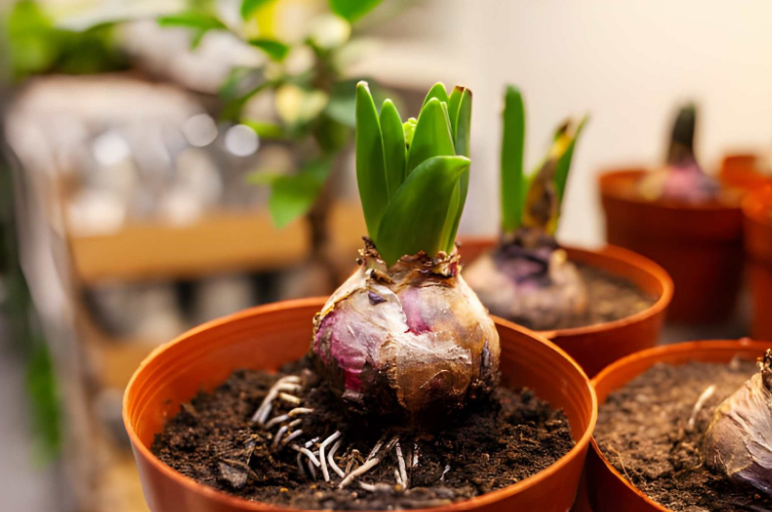
    Container gardening is the practice of growing plants in pots, planters, tubs , baskets, or other movable containers instead of planting directly in the ground. It is ideal Nhà cái Ga6789 for urban homes because it works well in small spaces and can be adapted to different light conditions, design styles, and gardening goals.

    Whether you live in a high-rise apartment or a townhouse with a tiny patio, container gardening allows you to grow plants almost anywhere. You can place containers on balconies, windowsills, stairways, decks, or rooftop gardens. This makes it a practical solution for city dwellers who want to enjoy nature without needing a large backyard.

    Benefits of Container Gardening for Urban Homes

    Container gardening offers many benefits beyond simply making your home look beautiful. One of the biggest advantages is space efficiency. Even a narrow balcony can hold several pots of herbs, flowers, or compact vegetables.

    Another benefit is flexibility. Since containers are movable, you can rearrange your garden whenever needed. If a plant needs more sunlight, you can move it closer to a window or a brighter part of the balcony. If the weather becomes too harsh, smaller pots can be brought indoors for protection.

    Container gardening also gives you better control over soil quality. In urban areas, ground soil may be poor, compacted, or contaminated. By using a high-quality potting mix, you can create the ideal growing environment for your plants. This helps improve plant health and productivity.

    In addition, container gardens can improve air quality, reduce stress, and create a calming atmosphere. Growing herbs and vegetables at home can also support a healthier lifestyle and reduce the need for store-bought produce.

    Best Plants for Urban Container Gardens

    Choosing the right plants is essential for successful container gardening. Some plants grow better in pots than others, especially in small urban spaces.

    Herbs

    Herbs are among the best choices for container gardens. Basil, mint, parsley, cilantro, rosemary, thyme, and chives grow well in pots and are perfect for cooking. Many herbs require only moderate space and can be grown on a sunny windowsill or balcony.

    Vegetables

    Many vegetables can thrive in containers if they receive enough sunlight. Tomatoes, lettuce, spinach, peppers, radishes, carrots, and green onions are excellent options. Choose compact or dwarf varieties when possible, as they are better suited for small spaces.

    Flowers

    Flowers add color and charm to urban homes. Petunias, marigolds, geraniums, pansies, begonias, and lavender are popular choices for containers. They can brighten balconies, window boxes, and entryways while attracting pollinators like bees and butterflies.

    Indoor Plants

    If your home has limited outdoor space, indoor container gardening is a great alternative. Snake plants, pothos, peace lilies, spider plants, and succulents are low-maintenance options that do well indoors.

    Choosing the Right Containers

    The right container can make a big difference in your gardening success. Containers come in many materials, including plastic, terracotta, ceramic, metal, wood, and fabric. Each type has its advantages.

    Plastic pots are lightweight, affordable, and easy to move. Terracotta pots are attractive and breathable but dry out faster. Fabric grow bags provide excellent drainage and air circulation, making them useful for vegetables. Wooden planters offer a natural look but may require maintenance over time.

    No matter what type of container you choose, drainage is essential. Make sure every pot has drainage holes at the bottom. Without proper drainage, water can collect around the roots and cause root rot. You can also place saucers under pots to catch excess water, especially indoors or on balconies.

    The container size should match the plant’s needs. Small herbs can grow in smaller pots, while tomatoes, peppers, and root vegetables need deeper containers. When in doubt, choose a slightly larger pot to give roots more room to grow.

    Using the Best Soil for Container Gardening

    Garden soil is usually too heavy for containers. It can become compacted, preventing roots from getting enough air and water. Instead, use a high-quality potting mix designed for container gardening.

    A good potting mix is lightweight, well-draining, and rich in organic matter. Many mixes contain peat moss, coconut coir, perlite, vermiculite, and compost. These ingredients help retain moisture while allowing excess water to drain away.

    For edible plants, consider using an organic potting mix. You can also add compost or slow-release fertilizer to provide nutrients throughout the growing season.

    Sunlight and Watering Tips

    Most vegetables, herbs, and flowering plants need at least six hours of sunlight each day. Before starting your container garden, observe your space to see how much sun it receives. South-facing balconies and windows usually get the most light, while north-facing areas may be better for shade-tolerant plants.

    Watering is one of the most important parts of container gardening. Plants in pots dry out faster than plants in the ground, especially during hot weather. Check the soil regularly by touching the top inch. If it feels dry, it is time to water.

    Water deeply until excess water drains from the bottom of the pot. Avoid watering too lightly, as this may not reach the roots. At the same time, do not let plants sit in standing water.

    Small-Space Design Ideas

    Container gardening for urban homes can be both practical and stylish. Use vertical gardening techniques to save space. Wall planters, hanging baskets, railing planters, and tiered plant stands allow you to grow more plants without taking up much floor area.

    Group containers of different heights and colors to create visual interest. You can mix edible and ornamental plants for a beautiful and useful garden. For example, pair basil with marigolds, or grow lettuce alongside colorful pansies.

    If privacy is a concern, use tall plants such as bamboo, ornamental grasses, or climbing vines in containers Thể thao Ga6789 to create a natural screen.

    Common Container Gardening Mistakes to Avoid

    One common mistake is choosing pots without drainage holes. Another is overwatering, which can lead to root disease. Using the wrong soil, overcrowding plants, and ignoring sunlight requirements can also cause problems.

    To keep your garden healthy, inspect plants regularly for pests, yellow leaves, or signs of stress. Remove dead flowers and leaves, prune when needed, and feed plants according to their needs.

    Final Thoughts

    Container gardening for urban homes is a simple and rewarding way to bring nature into city living. With limited space, the right containers, quality soil, and suitable plants, you can create a productive and beautiful garden almost anywhere. Whether you want fresh herbs for cooking, vegetables for your kitchen, or flowers to brighten your balcony, container gardening offers endless possibilities for urban homes.

  • Hello world!

    Welcome to WordPress. This is your first post. Edit or delete it, then start writing!